Dental Emergency Myths That Could Make Things Worse
A true dental emergency has a way of collapsing your usual decision-making. Pain sharpens everything. Blood in the sink looks dramatic. A broken front tooth can feel like a full-blown crisis even when the injury is manageable, while a quiet swelling in the gum can be far more dangerous than it first appears.
That is where myths do real damage. People reach for whatever advice sounds familiar, cheap, immediate, or comforting. They hold aspirin against a sore tooth because someone once swore by it. They wait out facial swelling because the pain faded. They assume a chipped tooth can sit for a few weeks if it is not bleeding. They put a knocked-out tooth in a napkin, dry and exposed, and lose the small window when it might have been saved.
Most bad outcomes in a dental emergency do not come from malice or neglect. They come from old folk remedies, half-remembered internet advice, and understandable attempts to avoid cost, inconvenience, or embarrassment. The trouble is that teeth, gums, and oral tissues do not forgive those mistakes easily. Timing matters. Storage matters. What you put on the tissue matters. Even the way you describe the problem when you call the office matters, because it affects how urgently you are seen.
Not every urgent dental problem looks dramatic
People often picture a dental emergency as a tooth hanging by a thread after a sports injury. That can happen, of course, but many urgent cases are quieter. A spreading infection in the gum may start as tenderness and a bad taste. A cracked molar may only hurt when you release your bite. A post-extraction complication can present as deep, throbbing pain a few days after a procedure, not as immediate bleeding.
This matters because myths thrive in the gray zone. If something looks catastrophic, most people seek help quickly. If it looks tolerable, they start bargaining with it. They take leftover antibiotics from an old prescription. They rinse with something too harsh. They decide to wait until Monday. In practice, some of the most difficult emergencies are the ones patients tried to self-manage for three or four days before coming in.
A useful rule is simple: if the problem involves trauma, uncontrolled bleeding, significant swelling, severe pain, fever, difficulty swallowing, difficulty opening the mouth, or a tooth that has been knocked out or displaced, treat it as urgent and call a dentist promptly. If breathing is affected, that is no longer just a dental issue. It is emergency medical care territory.
Myth: If the pain goes away, the problem is resolving
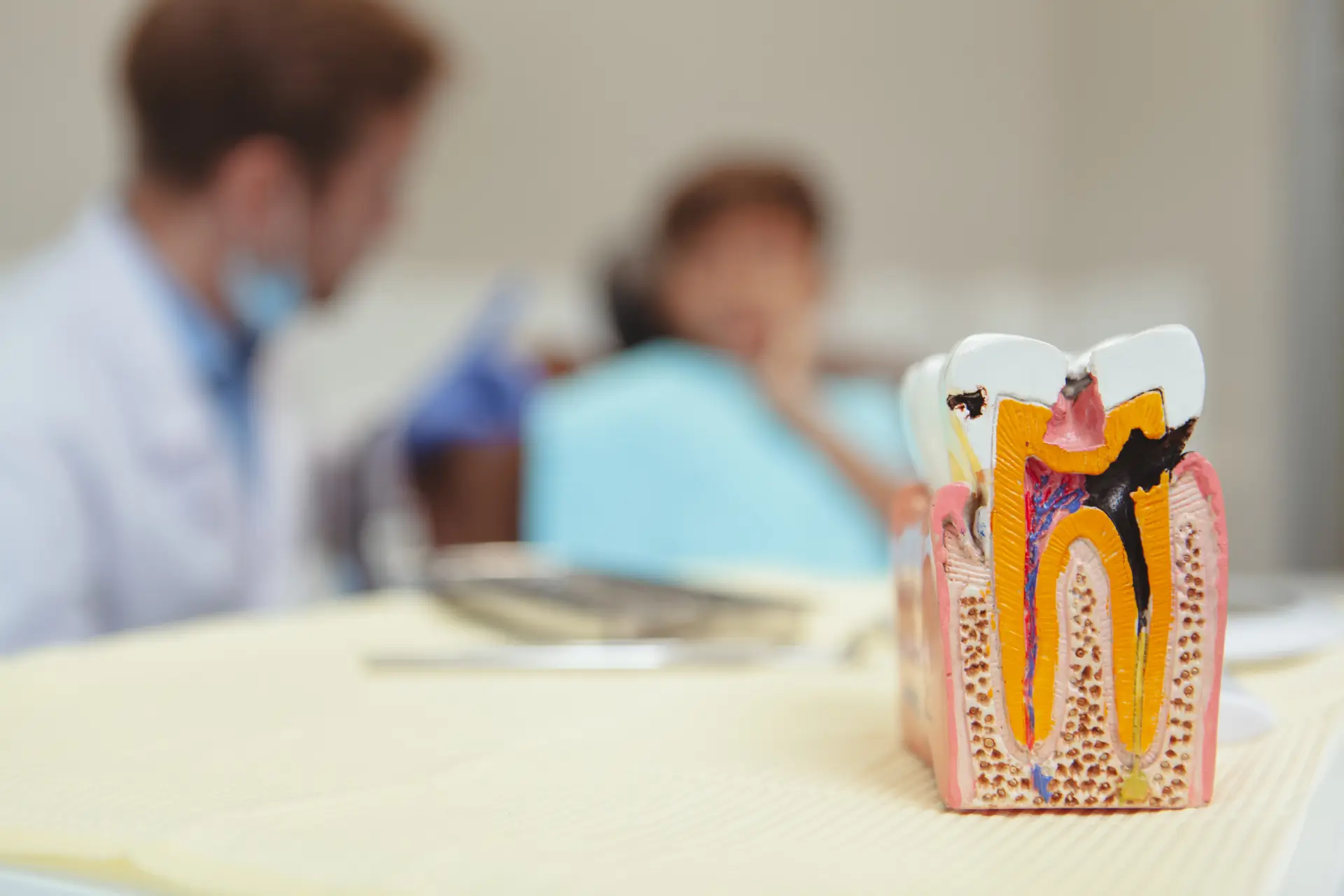
This is one of the most misleading myths in dentistry. Pain does not always fade because healing has begun. Sometimes it fades because the nerve inside the tooth has died. That may sound like a relief, and in the moment it often feels like one, but a dead or dying pulp can become infected. Once infection spreads beyond the tooth and into surrounding bone or soft tissue, the problem is larger, messier, and more urgent.
I have seen patients who had two sleepless nights of intense tooth pain, then felt almost normal on day three and assumed they had turned a corner. A week later they showed up with visible facial swelling and tenderness under the jaw. The original toothache was the warning shot. The absence of pain did not mean safety.
The same logic applies to gum swelling that seems to drain and calm down. If pus finds a path out through the gum, pressure may decrease and discomfort may lessen. Patients sometimes mistake that for resolution. It is not. It is a sign that infection found an outlet, not that it disappeared.
A fading symptom deserves context, not celebration. If the earlier symptoms were severe, spontaneous, throbbing, waking you up, or associated with swelling or bad taste, the problem still needs professional evaluation even if the intensity shifts.
Myth: Put aspirin directly on the tooth or gum
This old home remedy has caused a surprising amount of unnecessary tissue damage. Aspirin belongs in the stomach, not pressed against the gum. When people place it against a painful tooth, it can chemically burn the soft tissue. The result is an angry white patch, then a raw ulcer, layered on top of the original problem.
Aspirin taken by mouth, if safe for you medically and used according to label directions or professional advice, is a separate matter. But topical aspirin is not pain control. It is an avoidable injury.
Clove oil gets similar treatment in the public imagination. It can provide temporary numbing for some people, but it is not benign when overused, especially on irritated tissues or in high concentrations. Essential oils are not automatically gentle just because they are sold as natural products. Soft tissue in the mouth is delicate. Chemical irritation can make diagnosis harder and eating more miserable.
For temporary comfort while waiting to be seen, cold compresses on the face can help after trauma or swelling. Oral pain medication, if appropriate for your health history, can help more safely than improvised topical chemicals. None of that replaces treatment, but it is less likely to create a second problem.
Myth: Antibiotics fix toothaches
This one is persistent, partly because antibiotics feel like serious medicine. Patients often assume that if there is pain, there must be infection, and if there is infection, an antibiotic will solve it. Dentistry is rarely that simple.
Many toothaches come from inflammation inside the tooth due to deep decay, crack, or trauma. Antibiotics do not remove decay, seal cracks, drain abscesses, or perform root canal treatment. In a lot of cases, they barely touch the source of pain because the source is mechanical and inflammatory, not something tablets can eliminate from afar.
Even when infection is present, antibiotics are often only an adjunct. If pus is trapped, pressure needs to be relieved. If the tooth is necrotic, the canal system needs treatment or the tooth may need extraction. Prescribing antibiotics without definitive care can buy time in some cases, but it can also create a false sense of security. Pain softens, the patient delays treatment, and the problem returns larger than before.
There is another issue professionals think about that patients do not always Dental Emergency see: inappropriate antibiotic use contributes to resistance and can expose people to side effects, allergic reactions, digestive upset, and drug interactions for little benefit. Leftover antibiotics from a family member or an old prescription are especially risky because the drug, dose, and duration may all be wrong.
If a dentist prescribes antibiotics as part of emergency management, take them as directed. If no antibiotic is prescribed, that does not mean the clinician is ignoring the problem. Often it means the actual solution lies in treatment, not in a pill.
Myth: A knocked-out adult tooth cannot be saved
A knocked-out permanent tooth is one of the clearest examples of why dental emergency myths matter. Many people assume the tooth is gone for good, toss it in tissue, and wait. In some cases, that decision closes the door on successful reimplantation.
A permanent tooth that has been completely avulsed can sometimes be placed back into the socket, especially if action is quick and the root surface is handled properly. The cells on the root matter. Letting them dry out too long worsens the prognosis. Scrubbing the root or storing the tooth badly can do the same.
If a baby tooth is knocked out, the advice is different. You do not try to reinsert it because that can damage the developing permanent tooth underneath. This is one reason panicked internet advice can be dangerous. The right step depends on whether the tooth is primary or permanent.
If an adult tooth is knocked out, the safest immediate priorities are straightforward:
- Pick the tooth up by the crown, not the root.
- If it is dirty, gently rinse it briefly with milk or saline, or with clean water if that is all you have. Do not scrub it.
- If possible, place it back into the socket and have the person bite gently on gauze or a clean cloth.
- If reinsertion is not possible, keep it moist in milk or inside the mouth between the cheek and gum if the person is old enough not to swallow it.
- Get to a dentist immediately.
Time matters. The shorter the dry time, the better the chances. There is no guarantee even with excellent handling, but proper first aid can be the difference between saving and losing the tooth.
Myth: If a tooth is chipped and not painful, it can wait indefinitely
Some chips are minor. A tiny enamel nick on the edge of an incisor may only need smoothing or cosmetic repair. But a visible chip can also expose dentin or even the pulp, create a sharp edge that cuts the tongue, alter the bite, or be part of a deeper crack running where you cannot see it.
The lack of pain in the first hour does not settle the question. Teeth after trauma can change over days or weeks. A blow that looks like a simple chip may also injure the supporting ligament. The tooth may later discolor, loosen, or become sensitive. Front teeth are notorious for this after falls, sports collisions, or contact with a hard object.
Molars are trickier still. A fractured cusp can be surprisingly comfortable at rest and very problematic when chewing. I have seen patients save a broken piece in a bag for a week because they figured a painless tooth was a non-issue, only to discover the fracture line had propagated and the repair options had narrowed.
When trauma causes any break, displacement, looseness, bite change, or sensitivity, the tooth should be assessed sooner rather than later. Early treatment is often simpler and less expensive than delayed treatment after more structure fails.
Myth: Bleeding after an extraction means something is terribly wrong
This myth cuts in the other direction. Some people panic over the normal oozing that can follow an extraction, especially in the first several hours. Blood mixed with saliva looks far worse than it is. A little pink saliva can stain the sink and frighten people who are already sore and tired.
At the same time, a different myth says persistent bleeding is normal all night, so just keep spitting until it stops. That is not harmless either. Frequent spitting can disturb the clot. So can aggressive rinsing, using a straw, or smoking. The clot is not decorative. It protects the socket and supports healing. Lose it too early and you raise the risk of painful complications.
What helps most is calm pressure and restraint. Biting on gauze, or on a clean damp tea bag if your dentist specifically recommends it, is more useful than checking the site every three minutes. Looking constantly restarts the drama. If bleeding is heavy and truly persistent despite firm pressure, or if you are on blood thinners and are concerned, call the dentist promptly.
A related misconception is that severe pain a few days after extraction is normal healing. Some soreness is expected. Escalating, throbbing pain radiating toward the ear after the first day or two is not something to shrug off. That pattern can suggest a dry socket or another complication that deserves attention.
Myth: Swelling on the face will go down on its own if you give it time
Facial swelling is one of the biggest red flags in a dental emergency. It does not always mean catastrophe, but it should not be treated casually. Swelling can come from infection, trauma, gland issues, or allergic reactions. If it is dental in origin and progressively enlarging, delaying care is a gamble.
An infection in the lower jaw can spread into spaces under the tongue and jaw. Upper tooth infections can spread toward the cheek and under the eye. Most do not become life-threatening, but some absolutely can. The mouth sits close to important anatomy, and swelling does not need to be dramatic before it starts interfering with eating, speaking, sleeping, or opening the mouth.
A point patients often miss is that pain level and danger level are not always synchronized. I have seen swollen faces with surprisingly little pain because pressure had shifted or drainage had occurred. That did not make the situation mild. It just made it deceptive.
If swelling is accompanied by fever, malaise, difficulty swallowing, limited mouth opening, foul drainage, or any breathing concern, that raises the urgency. Dental offices handle many of these cases, but if breathing or swallowing is compromised, emergency medical assessment should not wait.
Myth: Rinsing hard with salt water or mouthwash will clean it out
Gentle warm salt water rinses can be soothing after some dental procedures or minor irritation. The keyword is gentle. Patients under stress tend to overdo everything. They swish vigorously, use very hot water, add too much salt, or reach for harsh mouthwash thinking stronger must be better.
Aggressive rinsing can dislodge clots, aggravate injured tissues, and make bleeding worse. Alcohol-heavy mouthwashes sting damaged mucosa and may increase irritation. The same goes for peroxide in improvised concentrations. People like the fizz because it looks active. Active is not the same as helpful.
In a true emergency, home rinses have a small supporting role at most. They can keep the mouth a bit cleaner and more comfortable. They do not sterilize a deep infection or reverse trauma. When patients feel busy enough at home, they sometimes delay the phone call they actually needed to make. That is the subtle harm of low-value self-treatment. It creates the illusion of progress.
Myth: A cracked tooth only matters if you can see the crack
Some of the worst tooth fractures are practically invisible without magnification, transillumination, radiographs, bite testing, or simply a clinician who has heard the same symptom pattern many times. Patients often dismiss pain because they cannot point to a visible line in the mirror.
Cracked teeth are notorious for causing pain on biting or when releasing pressure. Cold sensitivity may come and go. Chewing on one side starts to feel unreliable. Because the symptoms fluctuate, patients delay. They avoid that side and adapt. Unfortunately, cracks often worsen under repeated force. A tooth that might have been stabilized with a crown can, in the wrong circumstances, split beyond repair.
There is also a myth that if you can glue a fragment back yourself, you have solved the issue. Over-the-counter temporary filling material has a place for short-term coverage in select situations, but household glue does not belong in the mouth. It can irritate tissue, contaminate the area, and complicate what a dentist later needs to do.
The cost myth: waiting saves money
This is understandable and often painful to discuss because dental treatment can be expensive, especially for people without robust insurance. Many people delay because they are hoping to avoid a bill they cannot absorb. The myth is that waiting is financially neutral until the moment you choose treatment.
It often is not. A small cavity that becomes a pulp exposure is not the same fee or the same experience. A restorable cracked tooth that splits to the root may move from crown to extraction and replacement planning. A localized infection can become a more urgent visit with medications, drainage, and a larger definitive procedure. There are exceptions, of course. Not every delay changes the clinical picture dramatically. Dental Emergency But enough do that the pattern is hard to ignore.
There is also the hidden cost of time off work, poor sleep, inability to eat normally, and repeated bursts of pain that wreck concentration. Patients sometimes think only in terms of the bill at the front desk, not the cascade of secondary losses.
The practical approach is to call early and be direct. Many offices can at least triage, offer payment information, explain urgency, or schedule the right type of visit instead of leaving you in limbo. Delaying in silence is usually the most expensive version of indecision.
What helps before you are seen
The best first aid in a Dental Emergency is usually boring. That is one reason myths win, because dramatic remedies feel more satisfying. Still, the low-drama options are the ones that tend to protect the situation rather than worsen it.
Use a cold compress on the outside of the face after trauma or with swelling. Take appropriate oral pain relief if you can do so safely. Keep any broken tooth fragment if you have it. Avoid chewing on the affected side. If there is bleeding, apply clean pressure. If a crown has come off, do not force it back repeatedly if the fit is poor. If a tooth has been knocked out, keep it moist and move quickly.
Just as important is what not to do.
- Do not place aspirin, alcohol, or caustic substances on the gum.
- Do not ignore swelling that is increasing or paired with fever.
- Do not store a knocked-out tooth dry in tissue.
- Do not use household glue for dental repairs.
- Do not assume the absence of pain means the absence of danger.
These are not glamorous instructions, but they preserve options. In emergency care, preserving options is half the battle.
The internet is useful, but triage is where it often fails
Online information can be genuinely helpful for basic first aid, especially outside office hours. The problem is that people search by symptom, and dental symptoms overlap. A sinus issue can mimic upper tooth pain. A cracked tooth, grinding-related inflammation, and a failing filling can all hurt when chewing. Gum irritation and abscess drainage can both produce a bad taste. Without an exam, people often choose the least alarming explanation.
Then there is the authority problem. Advice from a friend who once had “the same thing” tends to carry more emotional weight than cautious professional guidance. Yet two cases that feel identical to patients may be nothing alike clinically. A swollen gum over a partially erupting wisdom tooth is a different management problem from swelling over a non-vital molar. Both can hurt. Both can trap food. They are not interchangeable.
The most useful mindset is to treat online advice as first aid, not diagnosis. If the situation is urgent, the goal is not to become your own dentist by midnight. The goal is to avoid making things worse until you can be properly assessed.
The pattern behind most harmful myths
Nearly all dangerous dental myths promise one of three things: immediate relief, zero cost, or permission to wait. That is why they spread. They offer control when the person feels vulnerable. Unfortunately, the mouth is unforgiving about certain delays and certain shortcuts.
A dental emergency does not always demand panic, but it does demand respect. Teeth are living structures. Oral infections do not stay politely contained forever. Soft tissue can be burned by well-meaning home remedies. Trauma has a clock on it. A problem can feel quieter and still become more serious underneath.
Good emergency care starts with accurate triage, gentle first aid, and a low threshold for getting help when the signs point to urgency. The myths worth discarding are the ones that tell you a serious symptom is minor, a corrosive remedy is harmless, or time is always on your side. In dentistry, those are the stories that cost people teeth.
Vitality Dental
Address: 1220 Coit Rd #106, Plano, TX 75075
Phone number: +19726454100
FAQ About Dental Emergency
What can the ER do for a tooth?
An emergency room (ER) can manage pain and treat severe infections with medication, but it cannot fix or pull a tooth.
What is considered a dental emergency?
A dental emergency is any oral health problem that involves severe pain, uncontrollable bleeding, or an infection that threatens your health or requires immediate care to save a tooth.
Is there a 24-hour dental service in Plano, TX?
There is no physical dental clinic in Plano, Texas, that stays open with walk-in staff 24 hours a day, but several offices offer 24/7 phone support, late-night hours, or same-day emergency care.