Emergency Dental Care for Broken Veneers and Restorations
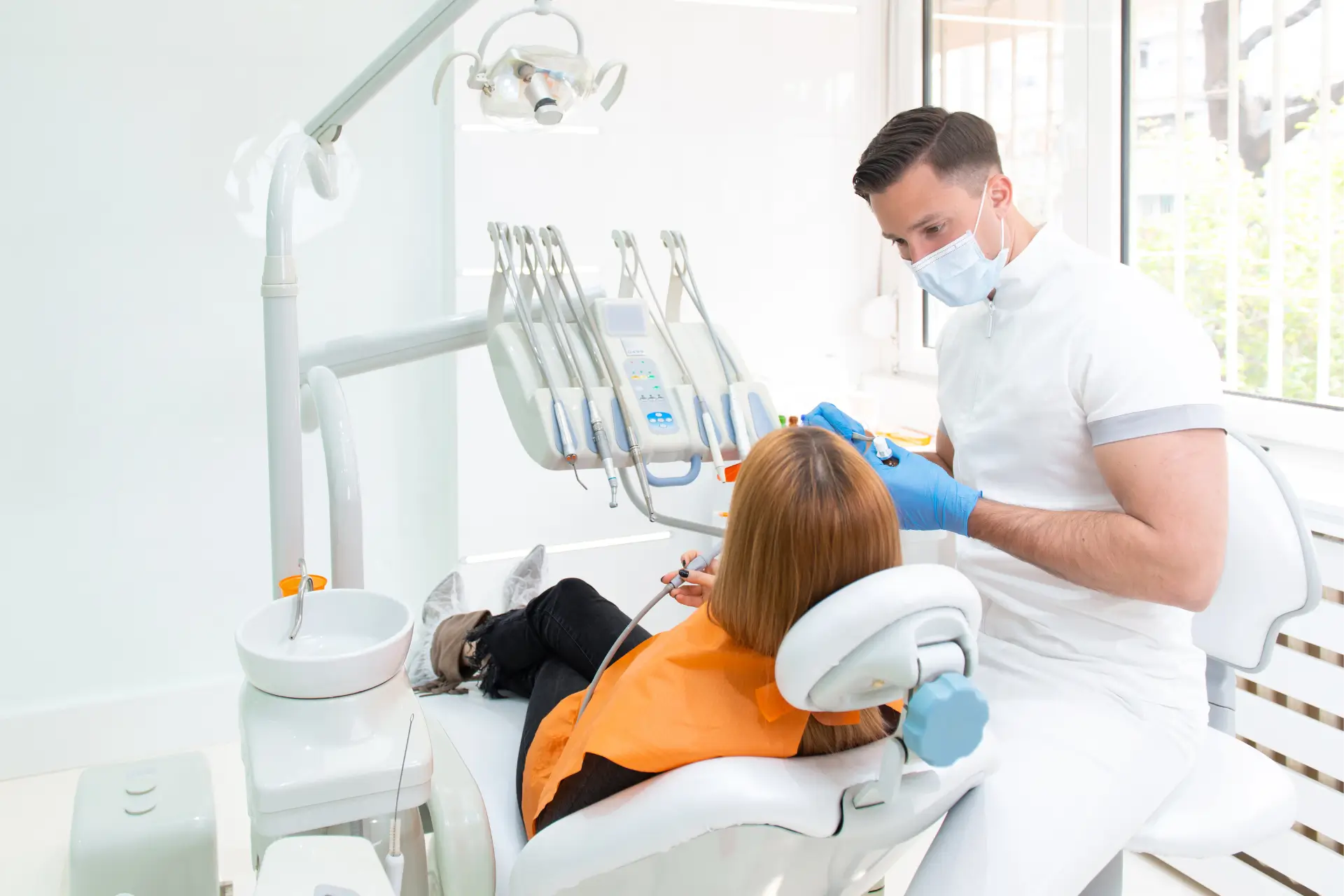
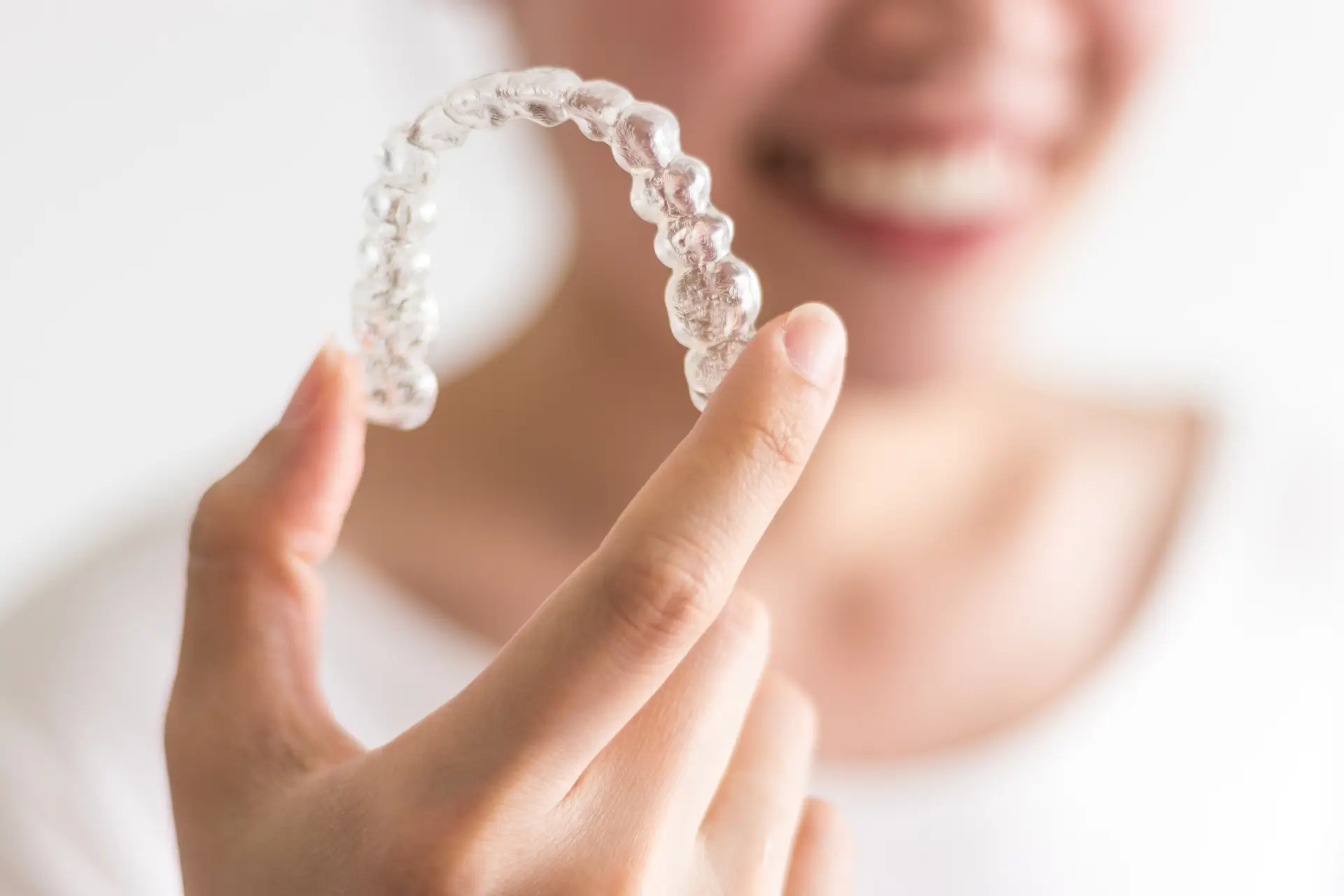
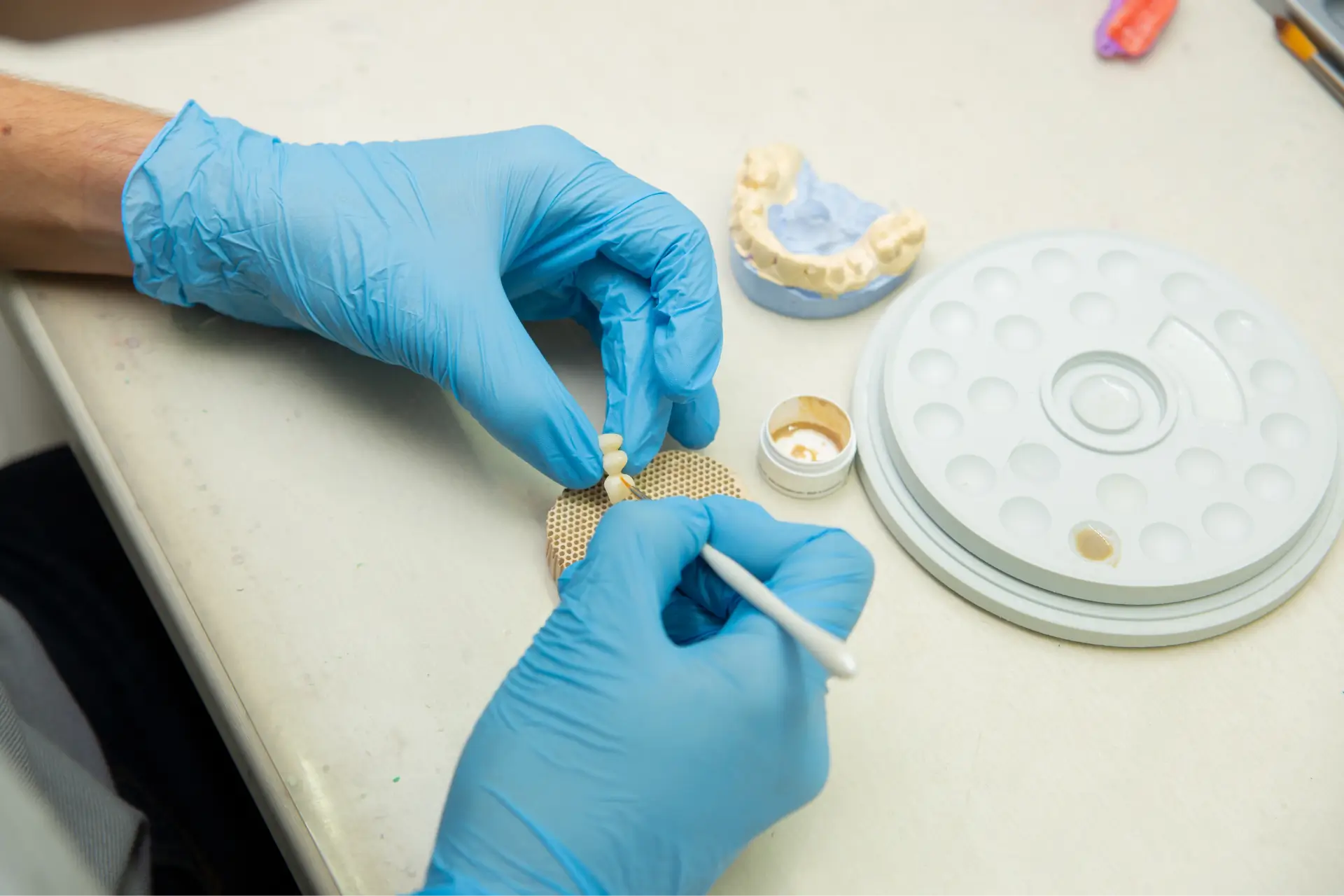
A broken veneer rarely happens at a convenient time. It tends to happen in the middle of a meal, before a meeting, on vacation, or late at night when every small edge on the tooth suddenly feels enormous. Patients often describe two immediate reactions. First comes the cosmetic shock, especially if the tooth is in the smile line. Right behind it comes the practical worry: Is this painful, is the tooth damaged underneath, and does this count as a true Dental Emergency?
Sometimes it does. Sometimes it is urgent but not dangerous. The difference depends on what broke, how much tooth structure is exposed, whether there is pain, and whether the bite has changed. Veneers, crowns, bridges, inlays, onlays, and tooth colored fillings all fail in different ways, and they fail for different reasons. A thin porcelain veneer that chips at the corner behaves very differently from a crown that comes off entirely with a post attached. Good emergency care starts with recognizing that not every restoration failure is the same problem wearing a different costume.
What matters most in the first hours is protecting the tooth, controlling discomfort, avoiding further damage, and getting the right kind of dental assessment soon enough. In practice, that often means the difference between a simple rebonding appointment and a more involved repair that includes root canal treatment, replacement work, or bite correction.
What breaks, and why it matters
“Broken veneer” is a phrase patients use for several different events. A veneer might chip but remain attached. It might debond cleanly and come off in one piece. A crown might crack, or the cement seal might fail and allow the whole crown to loosen. A white filling can fracture at the edge, leaving a sharp ledge. A bridge can feel stable on one side and loose on the other. Each of these situations changes the urgency and the likely fix.
A veneer is a thin facing, usually porcelain or composite, bonded to the front surface of a tooth. It depends heavily on bonding quality and the integrity of the underlying tooth. If the veneer comes off but the tooth underneath is mostly intact, that is often manageable in the short term, though it still needs timely attention. If a crown comes off and the prepared tooth underneath is short, dark, sensitive, or fragile, delay becomes riskier. Teeth that have had root canal treatment can be especially brittle under old crowns, even if they do not hurt much.
The cause matters too. If a patient bit into a hard olive pit or fork and chipped porcelain, the problem may be isolated. If a veneer or crown has loosened without a clear trigger, there may be decay under the restoration, old cement failure, clenching forces, or a bite imbalance. I have seen beautifully made restorations fail early because one tooth took the brunt of nighttime grinding. I have also seen twenty year old crowns come off simply because the remaining tooth structure under them had slowly changed.
The first question in emergency care is not “Can this be glued back today?” It is “What failed, why did it fail, and what does the tooth look like now?”
When a broken restoration is a true Dental Emergency
Not every chipped veneer needs same day treatment, but some situations deserve urgent care. Pain is the clearest signal, though not the only one. A badly exposed tooth can become sensitive to air, cold water, or even breathing through the mouth. Sharp fragments can cut the tongue or cheek. A dislodged crown on a back tooth can throw the bite off enough to make chewing painful within a day or two. If the break extends into the tooth itself, or if the restoration was hiding a crack, the situation can escalate quickly.
These signs push the problem closer to emergency territory:
- significant pain, swelling, bleeding, or sensitivity that lingers
- a loose or detached restoration with visible tooth structure underneath
- a sharp edge that is cutting soft tissue
- difficulty biting together normally or chewing without pain
- trauma to the mouth, especially if the tooth also feels mobile
Facial swelling, fever, pus, or a bad taste draining from the area changes the picture further. At that point, the problem may involve infection as well as restoration failure. That is not something to watch for a week.
One point patients often miss is that the absence of pain does not always mean the tooth is safe. A root canal treated tooth under a cracked crown can break quietly. By the time it hurts, the fracture may be worse, or the tooth may be unrestorable. A loose crown on a molar may feel like an inconvenience but still allow the tooth to shift or fracture if someone keeps chewing on it.
What to do in the first hour
The first hour after the break is more useful than most people realize. Small choices can preserve options for the dentist. Panic tends to make people test the area repeatedly with their tongue, bite down to “see how bad it is,” or try household glue. Those are the habits that turn a fixable situation into a more expensive one.
If the restoration has come off or a piece has broken free, keep it. A porcelain veneer or crown should be wrapped in clean gauze or tissue and placed in a small container. A plastic bag works if that is all you have, but rigid containers travel better and protect fragile edges. Do not scrub the inside surface. Do not soak it in peroxide, alcohol, mouthwash, or bleach. A gentle rinse with water is enough.
Then take a clear photo. Dentists can often triage surprisingly well from one or two sharp phone images taken in good light. A photograph helps communicate whether the failure is a tiny chip, a complete debond, or a deeper tooth fracture.
For the tooth itself, a calm, simple approach works best:
- rinse gently with lukewarm water
- avoid chewing on that side
- cover a sharp edge temporarily with orthodontic wax or sugar free gum if needed
- use over the counter pain relief if you normally tolerate it
- call a dentist promptly and describe both the appearance and the symptoms
If cold air causes pain, avoid very hot or very cold foods and drinks until you are seen. If the exposed tooth feels rough but not painful, resist the urge to file it, scrape it, or keep touching it. The tongue can make a tiny roughness feel much larger than it is.
What not to do, even if it seems sensible
Home fixes often create trouble. Superglue is the classic example. It contaminates both the restoration and the tooth surface, irritates soft tissue, and can make proper bonding much harder. Temporary dental repair kits from a pharmacy can sometimes help with a lost crown for a short period, but they need judgment. They are not a substitute for diagnosis, and they are a poor idea if the tooth is painful, the bite feels wrong, or the crown no longer seats fully.
Another common mistake is continuing to wear a loose veneer or crown because it “kind of stays on.” A restoration that rocks microscopically with every bite can bruise the tooth, trap bacteria, and distort the fit. By the time the patient comes in, the original restoration may no longer seat accurately enough to reuse.
People also underestimate the damage caused by one or two days of normal chewing on an exposed prepared tooth. Prepared teeth under crowns are shaped to retain a restoration, not to function bare. They can be sensitive and mechanically vulnerable. Even a strong front tooth with a missing veneer may chip further if someone bites into crusty bread, nuts, or ice.
What the dentist needs to determine
When you arrive, the emergency visit is part detective work and part damage control. The first goal is to decide whether the restoration can be repaired, rebonded, recemented, or whether replacement is more predictable. That decision depends on the condition of both the restoration and the tooth.
A dentist usually examines the margins, remaining tooth structure, gum response, bite, and any signs of decay or crack lines. Light percussion, air sensitivity, and bite testing can reveal whether the problem is superficial or pulpal. X rays may be necessary, especially if there is pain, trauma, suspected decay under a crown, or concern about root fracture.
There is also a practical question that patients do not always expect: was the original restoration designed in a way that still makes sense for the tooth? A veneer that repeatedly chips at the same edge may be too thin in a high stress area, or the bite may be forcing edge to edge contact. A crown that keeps decementing may not have enough height or retention, or the tooth may have changed with wear over time. Emergency care is not just about putting the piece back. It is about understanding whether putting it back solves the real problem.
How broken veneers are typically managed
Porcelain veneers can sometimes be rebonded if they come off intact and the fit remains precise. This is more likely when the debond happened cleanly and early, before the veneer was bent, contaminated, or chipped in a way that affects the margins. Composite veneers offer different repair options because they can often be reshaped directly in the mouth, though aesthetics vary with the size and location of the defect.
If the veneer is chipped but still attached, the repair pathway depends on the material and the extent of damage. Small edge chips on porcelain may be smoothed, polished, or repaired with composite resin as an interim or long term solution. Larger fractures usually look better and last longer with replacement. If the chip exposes a large area of underlying tooth, sensitivity becomes part of the decision making.
There is a cosmetic reality here too. A technically acceptable repair may not satisfy a patient whose front tooth catches light differently than the neighboring teeth. Front tooth dentistry lives at the intersection of biology and optics. Shade, translucency, texture, and edge shape all matter, especially in central incisors. Emergency care often aims first for protection and function, then for refined aesthetics in a follow up visit.
How crowns, bridges, and fillings differ in emergencies
Crowns that come off intact can sometimes be recemented the same day, but only if the fit is sound and there is no underlying decay or fracture. If the crown no longer seats completely, forcing it on is a mistake. Even a tiny obstruction can place pressure where it does not belong and create bite trauma.
Bridges deserve extra caution. When one retainer loosens and the other side remains attached, patients may be tempted to ignore it if they can still chew. That half loose bridge can lever stress onto the supporting teeth. In some cases it is better to remove the unstable restoration than to let it keep flexing.
Large fillings and onlays occupy a middle ground. If a piece breaks off a back tooth and the tooth still has strong walls and minimal sensitivity, a bonded repair may work well. If a cusp has fractured or the remaining tooth is heavily undermined, the emergency solution may be temporary protection followed by a full coverage restoration.
One of the most useful things an emergency dentist can offer is not just treatment, but triage. Sometimes the best first appointment is a smoothing procedure, sedative dressing, temporary crown, or recementation to get the patient comfortable and protect the tooth. Definitive care may require more time, lab coordination, or gum healing before the final impression or scan.
Pain, sensitivity, and the hidden nerve issue
Patients often ask whether sensitivity means they need a root canal. Not necessarily. Freshly exposed dentin can be sharply sensitive and still settle completely once sealed. Cold sensitivity that fades quickly is a different signal from throbbing, spontaneous pain that wakes someone at night. Pain on release when biting can hint at a crack. Lingering heat sensitivity raises concern for pulpal inflammation. These distinctions matter.
A restoration can break because the tooth underneath was already compromised. Decay under an old crown is a common example. Another is a tooth with a long standing crack that finally propagated enough to loosen the overlying restoration. In those cases, replacing the veneer or crown is only one part of the solution. The nerve may need treatment, or the fracture may change the prognosis entirely.
This is one reason prompt care matters even when the patient can “tough it out.” Delay can blur the clinical picture. Temporary inflammation may become irreversible. A restorable tooth may split further. The earlier the tooth is protected and assessed, the more options remain on the table.
The role of bite forces, grinding, and old work
Many veneer and Dental Emergency restoration emergencies are not really accidents. They are the final visible moment of a longer mechanical story. Night grinding, daytime clenching, nail biting, chewing pens, opening packages with teeth, and edge to edge bite patterns all concentrate stress in ways that porcelain and resin eventually reveal.
I remember one patient who insisted her veneer “just fell off” while she was drinking coffee. It had, technically. But the bigger picture was years of heavy morning jaw tension, flattened canines, and a hairline craze pattern in multiple front teeth. Rebonding that veneer without addressing the bite would have been a short term win followed by a predictable repeat failure. Once we adjusted the occlusion thoughtfully and made a protective night guard, the replacement restoration lasted.
Old dental work also has a lifespan. Materials fatigue. Margins wear. Bonding interfaces age. The idea that a crown or veneer should last forever causes a lot of unnecessary confusion when something breaks. Well made restorations can last many years, often well over a decade, but they live in a demanding environment of moisture, heat change, acid exposure, and repeated force. Emergency failure does not automatically mean the previous treatment was poor. Sometimes it means the restoration has simply reached the end of a reasonable service life.
Temporary measures between the emergency visit and the final repair
Not every emergency appointment ends with a final restoration. Lab made ceramics, color matching in visible areas, and more extensive tooth preparation can require staged care. When that happens, temporary protection becomes important.
A good temporary restoration should do more than cover the tooth. It should preserve position, protect the nerve, support the gums, and maintain a workable bite. Temporaries are especially important in front teeth, where even subtle changes in contour can influence speech and appearance. Patients should know that a temporary is not indestructible. Sticky candies, crusty baguettes, hard nuts, and chewing directly into apples are frequent reasons temporaries dislodge.
This is also the phase where habits matter most. If the emergency stemmed from grinding or a heavy bite, the interval before the final repair is not the time to test the area. The tooth and temporary need a quiet environment.
Questions worth asking at the appointment
Emergency visits move fast, and patients often leave with one part of the answer but not the whole picture. It helps to understand whether the event was random or whether there is a structural reason behind it. Ask whether the underlying tooth is intact, whether there are signs of decay or crack lines, whether the old restoration can be predictably reused, and whether the bite contributed.
A few focused questions can clarify the plan:
- is this repair temporary, definitive, or a bridge to a later replacement
- does the tooth show signs of crack, decay, or nerve irritation
- can the original restoration be safely reused
- what foods and habits should be avoided until the final follow up
- should bite adjustment or a night guard be part of prevention
Those questions often reveal the trade offs. For example, a same day rebond may save time and money, but a new veneer may offer a better seal and appearance if the old one is compromised. A repaired composite corner may function well, but it may stain faster than porcelain. A recemented crown can be perfectly reasonable, but not if the tooth underneath has lost too much structure to support it long term.
Preventing the next break
Prevention is less glamorous than emergency treatment, but it is where the best dentistry often shows up. If a restoration failed because of a single hard impact, the lesson may simply be caution with hard foods and objects. More often, prevention involves maintenance, monitoring, and force control.
Patients with veneers or extensive restorations benefit from regular review of the bite and margins. Tiny wear facets, new roughness, or repeated debonding episodes are useful warning signs. Bruxism management is not optional for heavy grinders, especially when there is ceramic in the mouth. A properly made night guard does not make restorations invincible, but it can dramatically reduce overload.
It also helps to be realistic about timing. If a crown has been recemented more than once, or if a Dental Emergency veneer has had multiple edge repairs, replacement may be the more conservative choice in the broader sense. Conservatism in dentistry is not always about doing less today. Sometimes it is about choosing the option that reduces repeated trauma to the tooth over the next ten years.
The practical bottom line
Broken veneers and restorations sit in an awkward space between cosmetic problem and true Dental Emergency. Some are mostly aesthetic and can wait a short time with care. Others expose vulnerable tooth structure, alter the bite, trigger severe sensitivity, or signal deeper fracture and need prompt treatment. The key is not guessing based on appearance alone.
If a veneer chips, a crown comes off, or a filling fractures, preserve the piece, protect the tooth, avoid chewing on it, and arrange an assessment sooner rather than later. Good emergency dental care is rarely just a quick fix. It is a measured decision about the material, the tooth, the bite, and the cause of failure. When that judgment is sound, even an inconvenient break can become a manageable detour instead of the start of a much bigger problem.
Vitality Dental
Address: 1220 Coit Rd #106, Plano, TX 75075
Phone number: +19726454100
FAQ About Dental Emergency
What can the ER do for a tooth?
An emergency room (ER) can manage pain and treat severe infections with medication, but it cannot fix or pull a tooth.
What is considered a dental emergency?
A dental emergency is any oral health problem that involves severe pain, uncontrollable bleeding, or an infection that threatens your health or requires immediate care to save a tooth.
Is there a 24-hour dental service in Plano, TX?
There is no physical dental clinic in Plano, Texas, that stays open with walk-in staff 24 hours a day, but several offices offer 24/7 phone support, late-night hours, or same-day emergency care.