Emergency Dentist Strategies for Relieving Pain Before Your Appointment
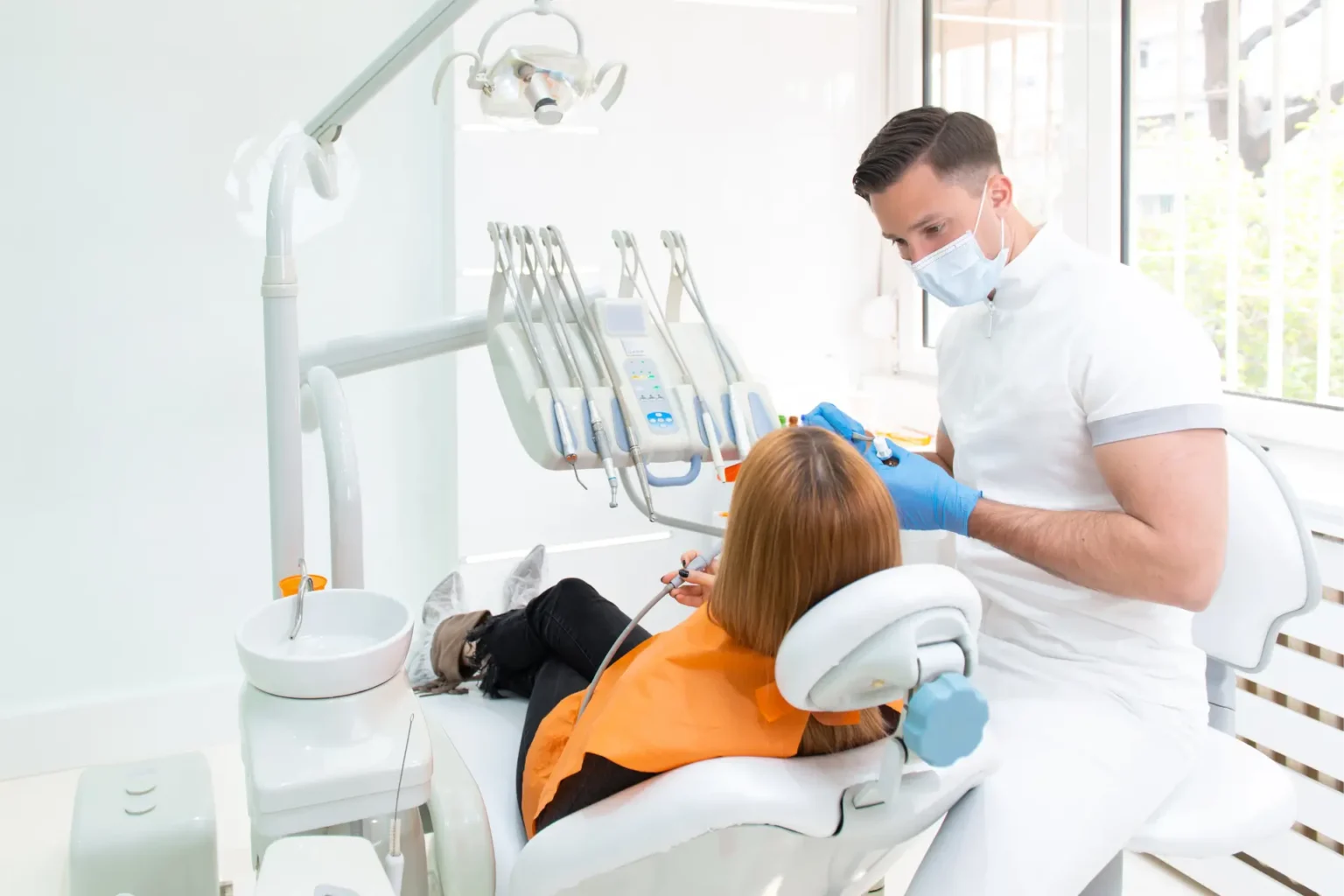
Dental pain has a way of taking over everything. A mild ache can turn into a throbbing pulse in the middle of the night. A cracked tooth that seemed manageable at lunch can become almost impossible to ignore by dinner. When that happens, calling an Emergency Dentist is the right move. The harder part is getting through the hours before your appointment without making the problem worse.
Pain relief in this window is less about home remedies and more about good judgment. The goal is to reduce discomfort, protect the tooth or surrounding tissue, and avoid choices that can complicate treatment later. Some measures help a great deal. Others are popular, but risky. People often reach for whatever sounds quick, especially when pain is intense, but dental emergencies reward calm, simple steps.
Most true dental pain falls into a few broad categories. There is inflammation inside a tooth, often from decay or trauma. There is pressure from infection. There is exposed dentin after a fracture or a lost filling. There is gum irritation from trapped food or injury. And there is pain from a partially erupted wisdom tooth, jaw clenching, or a bite suddenly thrown off by a chipped restoration. The exact cause matters, but the immediate priorities stay fairly consistent: control swelling, limit irritation, keep the area clean, and know when symptoms signal a need for urgent care without delay.
Start with the kind of pain you are having
Not all dental pain behaves the same way. A sharp zing when you drink something cold usually points to sensitivity or exposed tooth structure. A deep, throbbing ache that worsens when you lie down often suggests inflammation inside the tooth, sometimes moving toward infection. Pain when biting can mean a crack, a high filling, or inflammation around the root. Soreness in the gum between teeth can be as simple as a popcorn hull wedged below the contact point, though it can feel surprisingly severe.
This first distinction matters because it shapes what is likely to help. Cold sensitivity tends to improve when the tooth is covered and kept away from extremes. Inflammatory pain often responds best to anti inflammatory medication, if you can take it safely. Pressure from swelling may feel a little better when your head is elevated. A cracked tooth usually needs protection from chewing more than anything else.
Patients often assume the worst pain must mean the worst damage. That is not always true. A tiny crack or inflamed pulp can be brutal, while a badly broken tooth may hurt less at first if the nerve is no longer reacting. Severity tells Emergency Dentist you how urgently you need relief, but not always what the final treatment will be.
The safest first steps at home
Before taking medicine or applying anything to the area, rinse gently with lukewarm salt water. A simple rinse can calm irritated tissue and wash away debris without adding chemical irritation. Use about half a teaspoon of salt in a cup of warm water, swish gently for 20 to 30 seconds, and spit. This is especially useful if the pain comes from the gumline, a recent chip, or food trapped around a sore tooth.
If there is visible food stuck between teeth, use floss carefully. That word, carefully, matters. Snapping floss hard into an already inflamed contact can make the area angrier. Slide it through the contact, curve it around each tooth, and lift debris out. If floss shreds repeatedly in one spot, it can suggest a rough edge, cavity, or cracked filling, which is useful information to tell the Emergency Dentist when you arrive.
A cold compress on the outside of the cheek is one of the most reliable ways to reduce pain and swelling. Ten to fifteen minutes on, then a break, works better than holding ice there continuously. Do not place aspirin on the gum, and do not hold ice directly against the tooth. Both are common mistakes. Aspirin can chemically burn soft tissue, and direct ice can intensify sensitivity.
Try not to chew on the painful side. If the tooth is cracked, this single change may reduce discomfort more than anything else you do at home. Soft foods help. Yogurt, soup that is warm rather than hot, scrambled eggs, oatmeal once it cools a bit, and smoothies that are not icy all tend to be better tolerated than crunchy, chewy, or very sweet foods.
Medication can help, but only when used correctly
Over the counter pain relievers are often the most effective short term tool before a dental appointment. For many adults, ibuprofen works well because dental pain frequently has a strong inflammatory component. Acetaminophen can also help, either alone or, in some cases, as an alternative when ibuprofen is not appropriate. Some patients find that alternating medications gives better relief, but dosing should always follow the package directions or advice from a licensed clinician who knows your history.
This is where details matter. If you have stomach ulcers, kidney disease, are on blood thinners, have liver disease, are pregnant, or have been told to avoid certain pain relievers, the usual advice may not apply. I have seen people worsen a manageable dental problem by taking too much medication too quickly, hoping to get ahead of the pain. It is understandable, but risky. More is not better once you exceed recommended doses.
Topical numbing gels can be useful for irritated gums or sore spots from a broken edge rubbing the cheek. They are generally less helpful for deep toothache coming from inside the tooth. Some leave people disappointed because the source of pain is simply too deep for a surface gel to touch in any meaningful way.
If pain medication barely dents the discomfort, that does not automatically mean something is catastrophically wrong. It can mean the inflammation is significant. But if severe pain is paired with spreading swelling, fever, difficulty swallowing, or trouble opening the mouth, the issue moves beyond routine discomfort and needs more urgent evaluation.
What to do when a tooth breaks, chips, or loses a filling
A broken tooth can feel dramatic even when the damage is small. The rough edge catches your tongue, cold air stings, and every accidental tap from the opposing tooth sends a bolt of pain. If you can find the broken piece, keep it, though many times it cannot be reattached. What helps most in the short term is protecting the area from further trauma.
Dental wax, sold in most pharmacies for orthodontic use, can cover a sharp edge well enough to spare your tongue and cheek. Temporary filling material, also available at many pharmacies, may help if a filling has fallen out and the tooth has a visible hole that is highly sensitive. These products are stopgaps, not repairs, but they can make the Emergency Dentist hours before treatment far more tolerable.
Avoid chewing on that side, and avoid sticky foods altogether. Caramel, gum, chewy bread, and dense granola bars are notorious for turning a bad situation into a worse one. If the broken tooth hurts only when you bite, that pattern is worth mentioning clearly. Dentists often use that detail to help distinguish a superficial chip from a deeper crack.
A front tooth broken in an accident is a different situation from a lost filling in a molar. Trauma can involve the root, the bone, or the nerve even when the visible chip looks small. If there was any blow to the face, lip laceration, looseness of the tooth, or bleeding around the gumline, seek prompt assessment.
When swelling is the bigger problem
People often use the word infection loosely, but dental swelling deserves respect. A small puffy gum around one tooth may be localized inflammation or an abscess draining near the surface. Swelling in the cheek, jaw, or under the eye raises the stakes. If it is progressing over hours, causing facial asymmetry, or making it hard to swallow, speak, or breathe comfortably, the matter is urgent.
A cold compress can slow some swelling and reduce pain. Sleeping with your head elevated can also help a little. What does not help is applying heat to the outside of the face in the hope that it will draw things out. Heat often increases blood flow and can make throbbing feel worse.
Many people ask whether they should start leftover antibiotics at home. That is a poor idea for several reasons. The antibiotic may be the wrong one, the dose may be incomplete, and antibiotics alone do not fix the source of most dental infections. If the problem is pressure inside a tooth or abscessed tissue around a root, the pressure often needs drainage or the tooth needs direct treatment. Delaying proper care while taking a few leftover capsules can blur symptoms without solving the problem.
If the pain is coming from the gums, think simple first
Gum pain can mimic tooth pain. A seed husk, popcorn fragment, or meat fiber lodged below the gumline can create a hot, localized soreness that feels much bigger than it is. Gentle flossing and warm salt water rinses often improve this within hours. If the area feels bruised after flossing something out, that is common. It may remain tender until the tissue settles down.
Soreness around a wisdom tooth can be especially stubborn. Partially erupted wisdom teeth create a flap of gum where food and bacteria collect easily. The tissue becomes inflamed, swollen, and painful to chew on. Gentle rinsing helps. Aggressive poking does not. The tissue is often already traumatized, and further manipulation can make the opening even more irritated.
For denture wearers or people with orthodontic appliances, gum pain may also come from mechanical rubbing. Orthodontic wax is useful here too. Covering a bracket or sharp clasp can transform an inflamed sore spot from miserable to manageable while you wait to be seen.
A short checklist for the hours before your visit
- Rinse gently with warm salt water and keep the area clean.
- Use a cold compress on the outside of the face if there is swelling.
- Take over the counter pain relief only as directed and only if safe for you.
- Avoid chewing on the painful side, and choose soft, moderate temperature foods.
- Call sooner if swelling spreads, fever develops, or swallowing or breathing becomes difficult.
What people do that makes things worse
Dental pain inspires improvisation. Some of it comes from family folklore, some from internet searches done at 2 a.m., and some from pure desperation. Unfortunately, the mouth is easy to irritate and hard to rest, so bad ideas can backfire quickly.
Placing aspirin directly on the gum is one of the classic mistakes. It does not numb the source of pain inside the tooth, and it can leave a chemical burn on already tender tissue. Using clove oil in large amounts is another. A very small amount may soothe some people briefly, but too much can irritate the soft tissue and create a different problem. Picking repeatedly at the area with tweezers, pins, or toothpicks also causes trouble, especially around swollen gums or wisdom teeth.
Another common issue is waiting too long because the pain comes and goes. Intermittent pain does not mean the problem is resolving. Teeth often hurt in waves. A nerve can be inflamed one day, quieter the next, then suddenly escalate. I have heard many versions of the same story: the tooth bothered them for a week, seemed to settle, then flared hard over the weekend with swelling. Pain patterns matter, but improvement without treatment is not always a true recovery.
When a knocked out or loosened tooth changes the rules
Some emergencies are in a different category because time affects the outcome in a very direct way. A permanent tooth that has been completely knocked out needs immediate action. Hold it by the crown, not the root. If it is dirty, rinse it gently with milk or saline if available, or with water briefly if that is all you have, but do not scrub it. If you can place it back into the socket gently and correctly, that may help preserve it. If not, keep it moist in milk or inside the cheek if the person is alert and old enough to do that safely without swallowing it.
This is one of the few scenarios where minutes matter. The faster an Emergency Dentist sees a knocked out permanent tooth, the better the odds of saving it. Baby teeth are different, and they generally are not reinserted, which is why age and context matter so much in dental trauma.
A loosened tooth after a fall or sports injury also deserves urgent evaluation even if pain is limited. Teeth can be displaced, roots can fracture, and the bite can shift subtly enough that patients only notice it when they try to close all the way.
Sleep, posture, and why nights are often worse
Many patients say the pain ramps up at night. That is not your imagination. Lying flat can increase blood flow and pressure in inflamed tissues. The house is quieter too, which makes any throbbing more noticeable. Sleeping with your head slightly elevated on an extra pillow can reduce that sensation. It is not a cure, but it can turn a sleepless night into a tolerable one.
Nighttime also tempts people to test the tooth over and over, touching it with the tongue, biting lightly to see if it still hurts, sipping cold water to check sensitivity. Constant checking usually amplifies awareness without providing useful information. Once you have figured out the basic pattern, leave the tooth alone as much as possible.
Stress adds another layer. People clench when they are anxious, and clenching on an inflamed tooth can make pain much sharper by morning. If you know you grind or tighten your jaw, make a conscious effort to let the teeth stay slightly apart and the jaw muscles soften. It sounds simple, but it helps more than most people expect.
Symptoms that should move you from “soon” to “now”
There are times when waiting for the next available chair is not appropriate. Dental emergencies can spill into broader medical emergencies, particularly when swelling or infection begins to affect the airway or spread beyond the mouth.
Watch for these red flags:
- Swelling that is rapidly increasing or spreading into the face or neck
- Fever with severe dental pain or obvious facial swelling
- Trouble swallowing, trouble breathing, or a muffled voice
- A knocked out permanent tooth
- Uncontrolled bleeding after an injury or extraction
These situations call for immediate guidance from an Emergency Dentist, and in some cases a visit to urgent care or the emergency room if breathing or swallowing is affected.
What to tell the dentist so you get faster, better help
The quality of the first phone call matters. Front desk teams and clinical staff can often prioritize care better when they understand the specifics. “My tooth hurts” is true, but not very informative. “The lower left back tooth started throbbing yesterday, my cheek is swelling, cold makes it worse, and ibuprofen only helps for an hour” gives a much clearer picture.
If you can, mention when the pain began, whether it is constant or triggered, whether there is swelling, fever, bad taste, foul drainage, recent dental work, trauma, or a lost restoration. If you have medical conditions or medication restrictions that affect pain relief, say that early. That helps the office advise you more safely.
Photographs can be useful when there is visible swelling or a broken tooth, especially if the office is triaging after hours. They are not a substitute for an exam, but they can help communicate urgency.
The goal is relief without creating a second problem
The best pre appointment strategy is usually conservative. Keep the area clean. Reduce inflammation where you safely can. Protect the tooth from pressure and temperature extremes. Resist the urge to perform your own treatment. The mouth often punishes overcorrection.
What experienced clinicians look for is not whether you managed to fix it at home, but whether you arrived without extra irritation layered onto the original problem. A tooth with manageable pain and clean surrounding tissue is easier to assess than one that has been repeatedly prodded, packed with random material, exposed to caustic substances, or stressed by continued chewing.
An Emergency Dentist can determine whether the tooth needs a filling, a crown, root canal therapy, drainage, extraction, adjustment, or simply close observation. Your job before that visit is narrower, but still important. Control what you can, avoid what you cannot judge safely, and pay close attention to symptoms that suggest the issue is escalating.
When people handle those hours well, they often arrive tired and uncomfortable, but still in a far better position for effective treatment. That is the real win. Pain management is only part of the picture. Protecting your options for the appointment ahead matters just as much.
Vitality Dental
1220 Coit Rd # 106, Plano, TX 75075, United States
+1 972-645-4100
FAQ About Emergency Dentist
What counts as a dental emergency?
A knocked-out tooth, significant mouth injury, severe tooth pain, or painful swelling warrants prompt evaluation. Call your dentist and describe your symptoms so the office can advise you on how urgently you need care.
What should I do if I knock out a permanent tooth?
Call a dentist immediately. Handle the tooth by the crown, avoid touching the root, and keep it moist. If you cannot put it back into the socket easily, transport it in milk or a tooth-preservation solution. Bring it with you to the appointment.
Should I go to the emergency room for a dental emergency?
Seek emergency medical care right away if you have trouble breathing or swallowing, uncontrolled bleeding, or a serious facial injury. For an isolated tooth injury or toothache without those symptoms, call a dentist promptly for guidance.