Emergency Dentist Warning Signs You Should Never Ignore
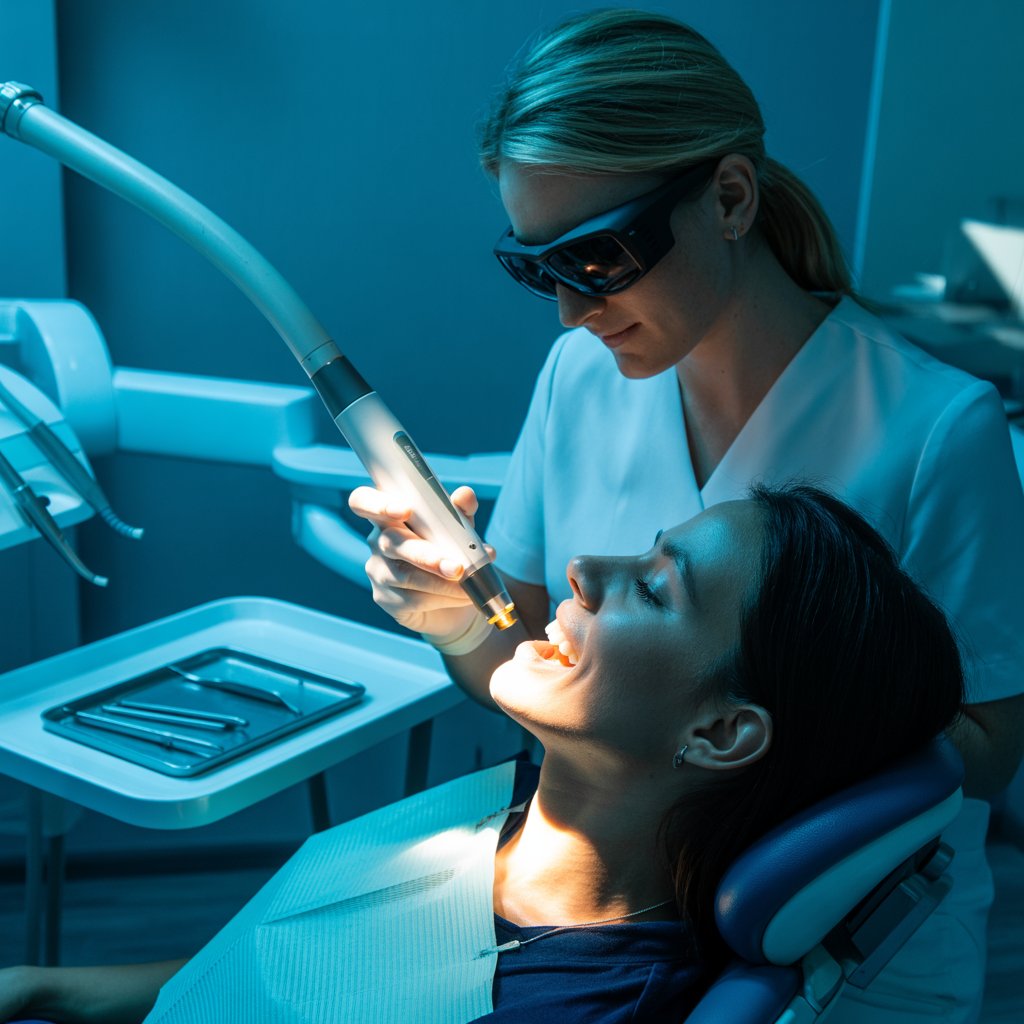
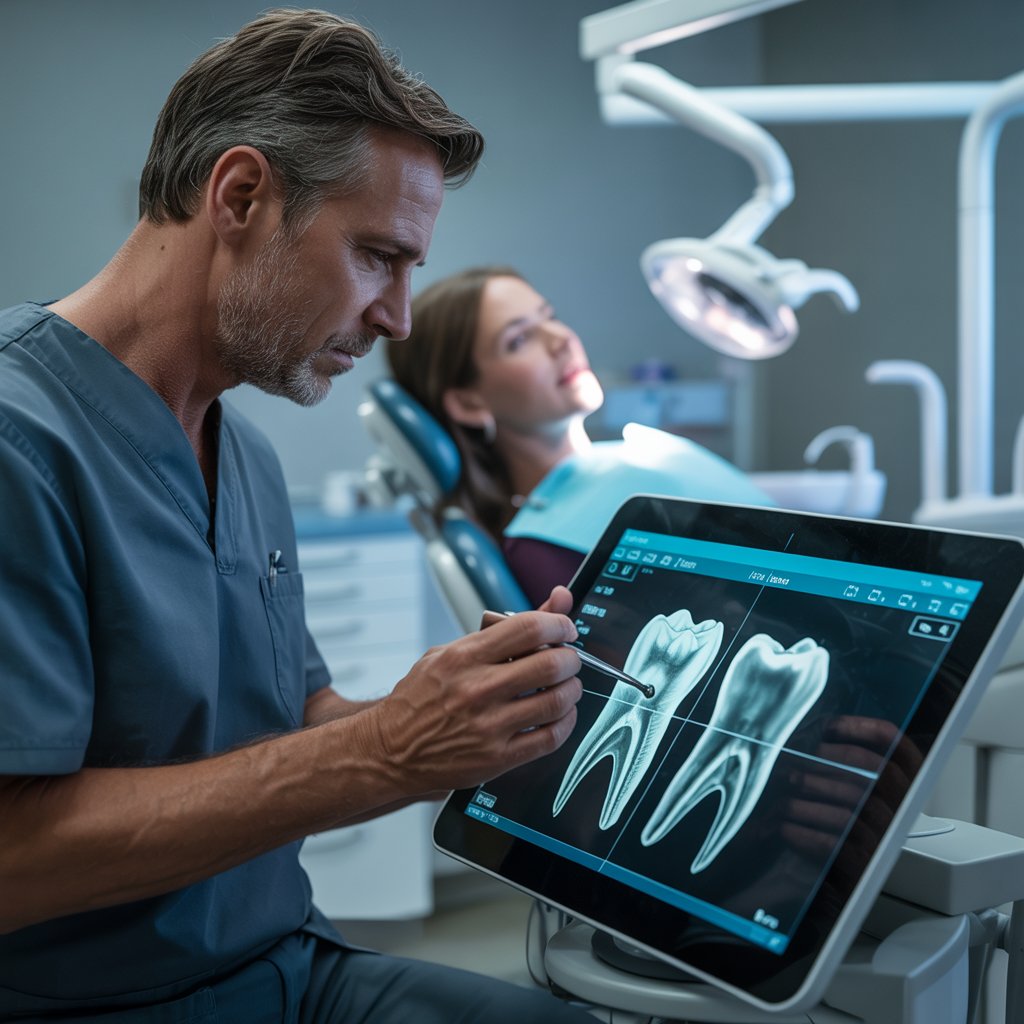
A tooth problem can move from annoying to urgent faster than most people expect. What starts as a dull ache after dinner can turn into a sleepless night, a swollen face, or a situation that affects breathing, swallowing, or the ability to eat. People often wait because they hope the pain will settle down, or they worry they are overreacting. In practice, the opposite is more common. Many true dental emergencies are made worse by delay.
An emergency dentist is not only there for dramatic accidents or visible injuries. Severe infections, uncontrolled bleeding, sudden swelling, and intense pain can all require immediate attention, even if nothing looks obviously broken in the mirror. The mouth is a small space packed with nerves, blood vessels, bone, and soft tissue. When something goes wrong there, symptoms can escalate quickly.
The tricky part is that some serious problems begin quietly. A cracked molar may only sting when you bite. An abscess may first feel like pressure near a gumline. A knocked tooth may look minor until the color changes or the nerve dies days later. Knowing which warning signs deserve same-day care can protect your teeth, reduce complications, and sometimes prevent a hospital visit.
When dental pain stops being routine
Not every toothache is an emergency. Mild sensitivity to cold or occasional discomfort from a cavity usually allows time for a standard dental appointment. The line changes when pain becomes severe, constant, or linked to swelling, fever, trauma, or bleeding.
The kind of pain matters. Sharp pain when biting often points to a crack, a deep cavity, or inflammation around the root. Throbbing pain that keeps you awake at night raises concern for infection or pressure inside the tooth. Pain that radiates into the jaw, ear, or temple can suggest a problem that has spread beyond a single tooth.
One pattern dentists see often is the patient who says, “It only hurt on and off for a few weeks, then suddenly it became unbearable.” That shift usually means the underlying issue progressed. The nerve may have become inflamed beyond recovery, or bacteria may have reached the tissues around the root. Once swelling starts, the window for simple treatment can close quickly.
Pain medicines can blur the picture. If over-the-counter medication barely touches the pain, or if you need repeated doses just to function, it is time to be cautious. Relief from painkillers does not mean the condition is improving. It may simply mean the body is being temporarily quieted while the problem continues.
The clearest warning signs
Some symptoms should push you to call an emergency dentist without waiting to “see how it feels tomorrow.”
- Severe tooth pain that lasts for hours, wakes you from sleep, or makes it hard to eat or speak
- Swelling of the gums, face, or jaw, especially if it is spreading or paired with fever
- A knocked-out, loose, cracked, or broken tooth after an injury
- Bleeding in the mouth that does not stop after firm pressure
- Signs of infection such as pus, a bad taste draining into the mouth, or pain with swelling under the jaw
Those five situations cover most true dental emergencies seen in urgent practice. They can look different from person to person, but the principle is consistent. Intense symptoms, injury, visible swelling, or persistent bleeding are not problems to monitor casually at home.
Swelling is never something to brush off
Of all the warning signs, swelling deserves special respect. A puffy gum around one tooth may indicate a localized infection, but swelling in the cheek, under the jaw, or toward the eye can mean the infection is spreading through facial spaces. That is when a dental problem can become medically serious.
Patients sometimes describe swelling as “just pressure” or “a little fullness.” Even then, if the face looks uneven, if the gum bulges, or if the area is tender and warm, prompt evaluation is wise. Swelling can worsen over a few hours. A person may wake up with a small sore spot and go to bed struggling to open the mouth fully.
There are specific red flags that make swelling more urgent. Trouble swallowing, muffled speech, difficulty breathing, or the inability to open the mouth normally can signal deeper infection and should be treated immediately. In those cases, a hospital evaluation may be more appropriate than a routine dental office visit, because airway protection becomes the priority.
Fever adds another layer. Not every dental infection causes a temperature spike, but fever with facial swelling suggests the body is fighting a significant infection. Chills, fatigue, and swollen lymph nodes under the jaw also point in that direction.
The danger of a “small” crack
Cracked teeth are easy to underestimate. Many people expect a serious dental injury to look dramatic, like a large missing piece or visible blood. In reality, a tiny fracture line in a molar can cause substantial pain and may worsen every time you chew.
The problem with cracks is that they often deepen under pressure. One bite on a hard crust, an ice cube, or a popcorn kernel can turn a manageable crack into a split tooth. Once the fracture extends below the gumline or into the root, saving the tooth becomes harder.
Symptoms vary. Some cracks cause intermittent pain when biting and releasing. Others produce sensitivity to cold that lingers. Sometimes the tooth feels “off” before it hurts. Patients often say they cannot identify the exact tooth, only that one side of the mouth has become unreliable. That uncertainty is common with cracks.
A broken filling or crown can create a similar sense of urgency. Even if the tooth itself is not fractured, exposed dentin can be extremely sensitive, and a compromised restoration leaves the tooth vulnerable to further breakage. If a crown falls off, keeping it clean and bringing it to Emergency Dentist the appointment can occasionally help, but the key issue is not to postpone care if the tooth hurts or has sharp exposed edges.
Knocked-out teeth and the importance of minutes
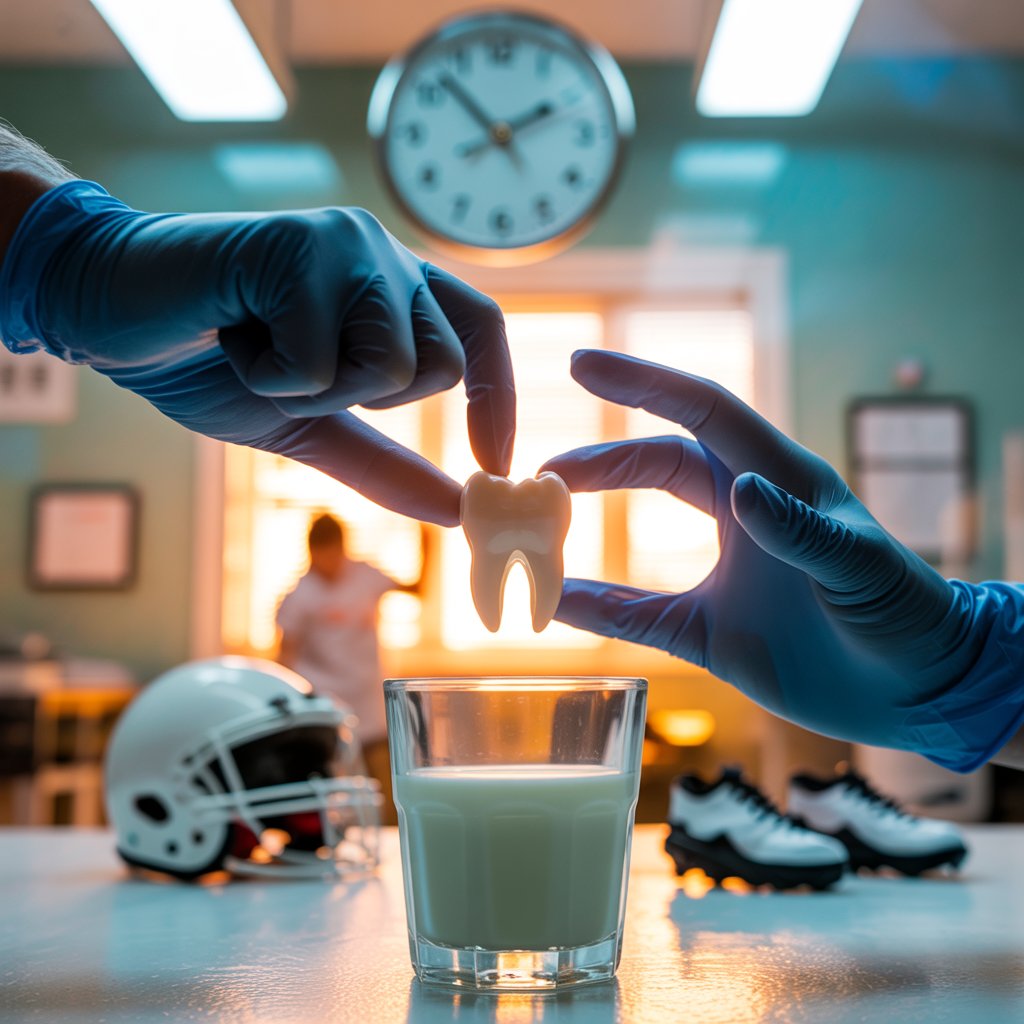
A completely knocked-out permanent tooth is one of the few dental emergencies where the clock matters down to the minute. If the tooth is handled properly and reimplanted quickly, there is a real chance it can be saved. Wait too long, let it dry out, or scrub the root aggressively, and that chance drops sharply.
This is where people make well-meaning mistakes. They rinse and polish the tooth, wrap it in tissue, or leave it on a counter while deciding what to do. The root surface is delicate. It should be handled by the crown, not the root, and kept moist.
Baby teeth are different. A knocked-out baby tooth is generally not replanted because of the risk to the developing permanent tooth underneath. That still warrants urgent advice, but the management is not the same as for an adult tooth.
Even when a tooth is not fully knocked out, any looseness after trauma deserves fast evaluation. The tooth may be displaced in the socket, the supporting bone may be injured, or the nerve may be compromised. A fall on the playground, a sports injury, or an elbow to the mouth during a game can create damage that is more extensive than the mirror shows.
Bleeding that keeps going is not normal
Minor oozing after flossing too hard or irritating the gums is one thing. Bleeding that continues after a tooth extraction, after trauma, or from an unexplained mouth injury is another.
Healthy mouths do not usually bleed heavily without a reason. Persistent bleeding may reflect a torn area of gum, a dislodged clot, trauma to deeper tissues, or pressure from infection. It can also be harder to control in people taking blood thinners or those with certain medical conditions.
The practical test is straightforward. If you apply firm pressure with clean gauze and the bleeding still does not settle, it is time to seek urgent care. Blood mixed with saliva can look more dramatic than it is, so patients often panic at the sight. Still, if the source is active and not slowing, that is not a wait-and-watch situation.
After an extraction, one common problem is a patient repeatedly checking the socket, spitting forcefully, or rinsing too early. That can disturb the clot and restart bleeding. The mouth needs gentle handling after procedures, and when post-operative instructions are not followed, what might have been a routine recovery can become an after-hours emergency.
Infection does not always look the way people expect
A dental abscess is not always a visible lump on the gum. Sometimes it appears as a pimple-like bump that drains and temporarily reduces pain. Sometimes there is no obvious bump at all, only pressure, tenderness, and a deep throbbing sensation. A foul taste or smell in the mouth can be a clue that infection is draining.
One reason patients delay is that the pain may briefly improve. That can be misleading. If the pressure inside the infection finds a path to drain, the pain often drops, but the disease process remains. The tooth will not heal itself, and the infection can flare again, often more aggressively.
There is also a dangerous misconception that antibiotics alone solve dental infections. In many cases they help control the spread, but they do not remove the source. If bacteria are thriving inside a dying tooth or around a root, the tooth usually needs definitive treatment such as root canal therapy, drainage, or extraction. Without that, symptoms often return.
Experienced clinicians grow especially concerned when infection changes the shape of the face, affects the floor of the mouth, or causes general illness. The mouth is connected to the rest of the body. An untreated dental infection is not just a “bad tooth.” It can become a broader health problem.
Jaw pain, limited opening, and injuries after impact
Not all emergencies center on a single tooth. A blow to the face can injure the jaw joint, fracture bone, bruise soft tissue, or shift teeth out of alignment. Sometimes the person is more focused on a cut lip than on the bite feeling suddenly wrong, but that altered bite is important.
If you cannot close your teeth together the way you normally do, if the jaw clicks painfully after an injury, or if opening the mouth becomes limited, prompt assessment is sensible. A fracture is not always dramatic. Hairline injuries, especially around the jaw angle or condyle, can present as pain near the ear, vitalitydentaldfw.com Emergency Dentist swelling, and difficulty chewing.
Children deserve extra attention after mouth injuries because they may minimize symptoms or struggle to describe them. A child who avoids biting, cries when cold water touches a tooth, or suddenly refuses certain foods may have a crack, pulp injury, or soft tissue trauma even if the mouth looks mostly normal.
What to do while you wait to be seen
The period between the injury or symptom and the dental visit matters. Good first aid can reduce pain and improve the odds of saving a tooth. Poor first aid can make a repair harder.
- For a knocked-out permanent tooth, hold it by the crown, rinse briefly if dirty, and keep it moist in milk or saliva while seeking immediate care
- For swelling, use a cold compress on the face and call promptly, but do not place aspirin directly on the gum
- For bleeding, apply firm pressure with clean gauze or a clean cloth without repeatedly checking every minute
- For a broken tooth, save any fragments if you can and avoid chewing on that side
- For severe pain, use the medication you normally tolerate as directed on the label, unless a doctor has told you not to
Several home remedies make dental professionals wince because they cause more harm than good. Aspirin held against the gum can burn tissue. Very hot compresses can increase discomfort. Essential oils and alcohol rinses may irritate an already inflamed area. Clove oil can be helpful in limited situations, but it is not a substitute for care and can sting damaged tissue if overused.
Cases that feel urgent but usually are not true emergencies
Not every unpleasant dental issue needs after-hours treatment. A lost filling without pain, mild sensitivity that comes and goes, a chipped tooth with no sharp edge, or a canker sore that has only been present for a day or two generally falls into the “book a prompt routine visit” category rather than emergency care.
That distinction matters because it helps people act confidently instead of swinging between panic and denial. Urgent care resources should be used when symptoms suggest damage, infection, severe pain, or active bleeding. Routine issues still deserve treatment, just not necessarily in the middle of the night.
There are gray areas. A front tooth chip before a wedding may feel like an emergency for social reasons, even if it is not medically severe. A broken denture before travel may disrupt daily life without threatening health. Dentists understand that urgency can be practical as well as clinical, but from a health standpoint, pain, swelling, injury, and bleeding remain the big decision points.
Why waiting can cost more than comfort
People often put off dental emergencies because they hope to avoid an expensive procedure. Ironically, delay can lead to exactly that. A small crack that might have been stabilized with a crown can become an extraction. A cavity that could have been treated before nerve involvement can turn into a root canal or abscess. A loosened tooth after trauma may be saved if splinted quickly but lost if ignored.
There is also the human cost. Missed workdays, poor sleep, reliance on painkillers, inability to chew properly, and the stress of walking around with facial swelling all add up. Dental infections rarely choose a convenient time to peak. Many people finally call only after a weekend, a holiday, or a sleepless night made the decision for them.
Clinically, early intervention gives the dentist more options. Once tissue is badly swollen, it can be harder to numb the area effectively. Once infection spreads, treatment may require more than one visit, antibiotics, drainage, or coordination with an oral surgeon. Once a tooth fractures below the bone, restoration may no longer be possible.
Choosing an emergency dentist and knowing when to go higher
A capable emergency dentist should be able to evaluate pain, trauma, swelling, lost restorations, and most common urgent dental infections. Same-day radiographs, drainage when indicated, temporary stabilization, and a clear treatment plan are the basics patients should expect.
But there are moments when the dentist is not the only stop. Difficulty breathing, trouble swallowing, facial swelling that is rapidly expanding, significant trauma with suspected jaw fracture, uncontrolled bleeding, or symptoms following a major accident may call for an emergency department. Good dental offices will say this plainly. The safest clinician is the one who knows when the situation has crossed into medical emergency territory.
If you are calling after hours, describe symptoms concretely. Say whether there is swelling, fever, trauma, bleeding, or a tooth that came out. Mention any medical conditions, pregnancy, allergies, blood thinners, or immune suppression. That information shapes the advice you receive and how urgently you should be seen.
The quiet lesson most emergencies teach
Most dental emergencies do not begin as emergencies. They begin as postponed cleanings, ignored sensitivity, a filling that felt rough for six months, or a night guard that was recommended but never ordered. That is not said to assign blame. Life gets busy, and people prioritize the pain that is in front of them, not the risk that is still hypothetical.
Still, one of the most practical ways to avoid an emergency dentist visit is to respect early warning signs before they become urgent. A tooth that reacts sharply to cold for several weeks deserves attention. Repeated food trapping between two teeth is often not random. A crown that feels loose almost never tightens itself back into place. Jaw clenching that is cracking enamel at night usually leaves clues before the first big fracture.
Regular dental care will not prevent every accident or every infection, but it shifts the odds. Problems are found when they are smaller, treatment is simpler, and the chance of preserving the tooth is higher.
Emergency symptoms are the mouth’s way of saying the situation has passed the point of being politely ignored. Severe pain, swelling, trauma, persistent bleeding, and signs of infection are not signals to tough out. They are signals to act. When those warnings appear, getting an emergency dentist involved quickly is often the difference between a manageable repair and a much more serious problem.
Vitality Dental
1220 Coit Rd # 106, Plano, TX 75075, United States
+1 972-645-4100
FAQ About Emergency Dentist
What counts as a dental emergency?
A knocked-out tooth, significant mouth injury, severe tooth pain, or painful swelling warrants prompt evaluation. Call your dentist and describe your symptoms so the office can advise you on how urgently you need care.
What should I do if I knock out a permanent tooth?
Call a dentist immediately. Handle the tooth by the crown, avoid touching the root, and keep it moist. If you cannot put it back into the socket easily, transport it in milk or a tooth-preservation solution. Bring it with you to the appointment.
Should I go to the emergency room for a dental emergency?
Seek emergency medical care right away if you have trouble breathing or swallowing, uncontrolled bleeding, or a serious facial injury. For an isolated tooth injury or toothache without those symptoms, call a dentist promptly for guidance.